How AI Integrations Are Reshaping Modern Web Applications.
Artificial intelligence is no longer a futuristic concept — it's a practical tool that modern web applications rely on daily. From personalized user experiences to intelligent search, AI integrations are fundamentally changing how we build and deliver software.
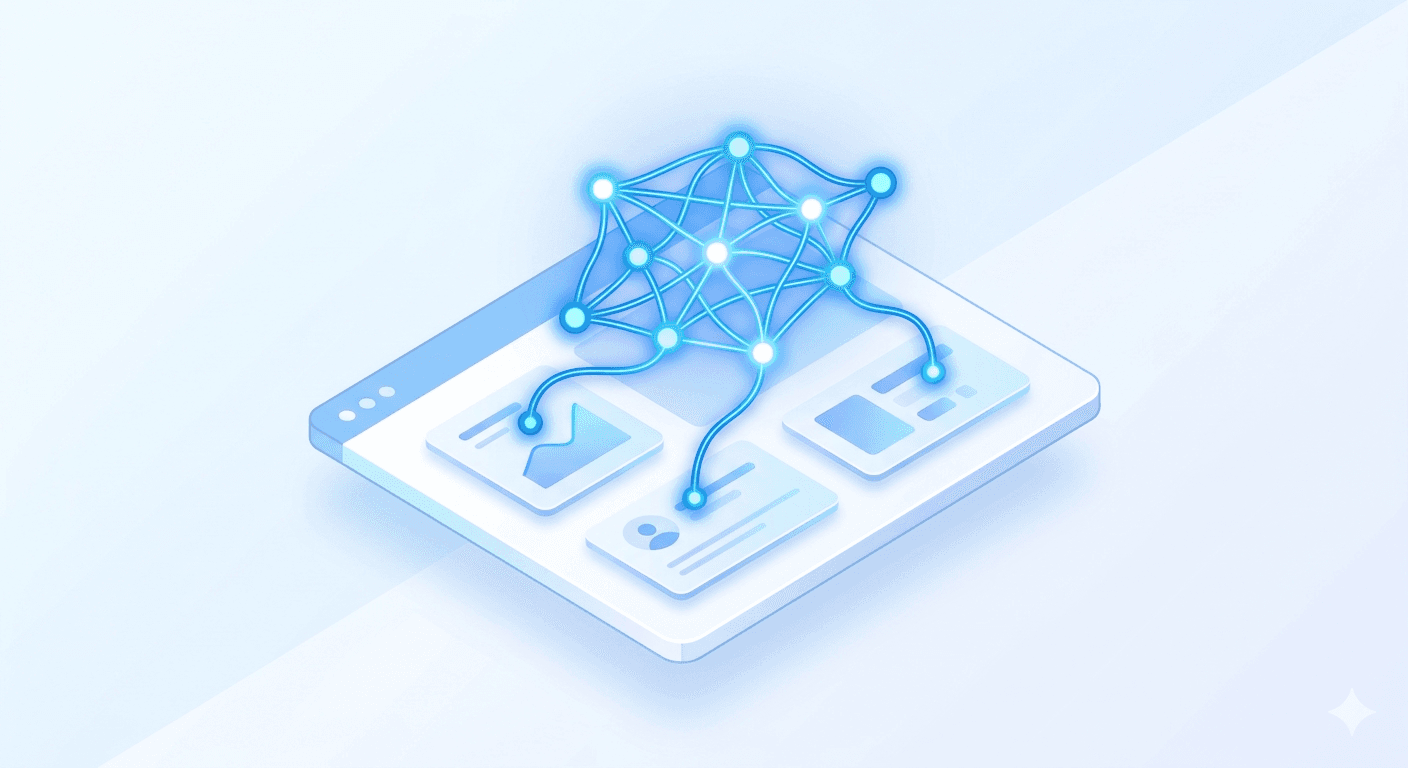
The Shift From Static to Intelligent
Traditional web applications followed a predictable pattern: users interact with a UI, data is processed on the server, and results are returned. AI integrations break this model by introducing adaptive behavior. Instead of rigid business logic, applications can now learn from user patterns, predict intent, and surface relevant content before the user even asks for it.
This shift is most visible in e-commerce recommendations, content platforms, and SaaS dashboards where personalization drives engagement and retention.
Practical AI Use Cases in Web Development
The most impactful AI integrations aren't the flashiest — they're the ones that quietly solve real problems. Natural language processing powers smarter search bars that understand intent rather than just matching keywords. Computer vision enables automatic image tagging and moderation. Predictive analytics help businesses forecast demand and optimize inventory.
At ZentrPro, we've integrated AI-powered chatbots that handle over 70% of customer inquiries without human intervention, freeing support teams to focus on complex issues that require genuine human judgment.
Choosing the Right AI Integration Strategy
Not every application needs a custom machine learning model. The modern AI ecosystem offers a spectrum of integration options: pre-built APIs like OpenAI and Google Cloud AI for rapid deployment, fine-tuned models for domain-specific tasks, and fully custom solutions for unique competitive advantages.
The key is matching the integration strategy to the business need. A startup validating product-market fit benefits from API-based integrations that ship in days. An enterprise with proprietary data may invest in custom models that become a lasting moat.
The Developer Experience Challenge
AI integrations introduce new complexity to the development workflow. Models need versioning, prompts need testing, and responses need validation. The best teams treat AI components with the same rigor as any other system dependency — with monitoring, fallbacks, and clear performance benchmarks.
We've found that building an abstraction layer between the application and the AI service is critical. This allows swapping providers, A/B testing different models, and gracefully degrading when the AI service is unavailable.
What's Next
The pace of AI advancement means today's cutting-edge integration will be tomorrow's baseline. Multi-modal models that understand text, images, and audio simultaneously are opening entirely new interaction paradigms. Agentic AI that can take actions on behalf of users — booking appointments, filing reports, managing workflows — is moving from prototype to production.
The teams that build with AI as a first-class citizen in their architecture, rather than an afterthought, will have a significant advantage in delivering the next generation of web experiences.
